Ingredients
Coconut Milk, Coconut Oil, Coconut Water, Coconut Aminos: What's the Difference?
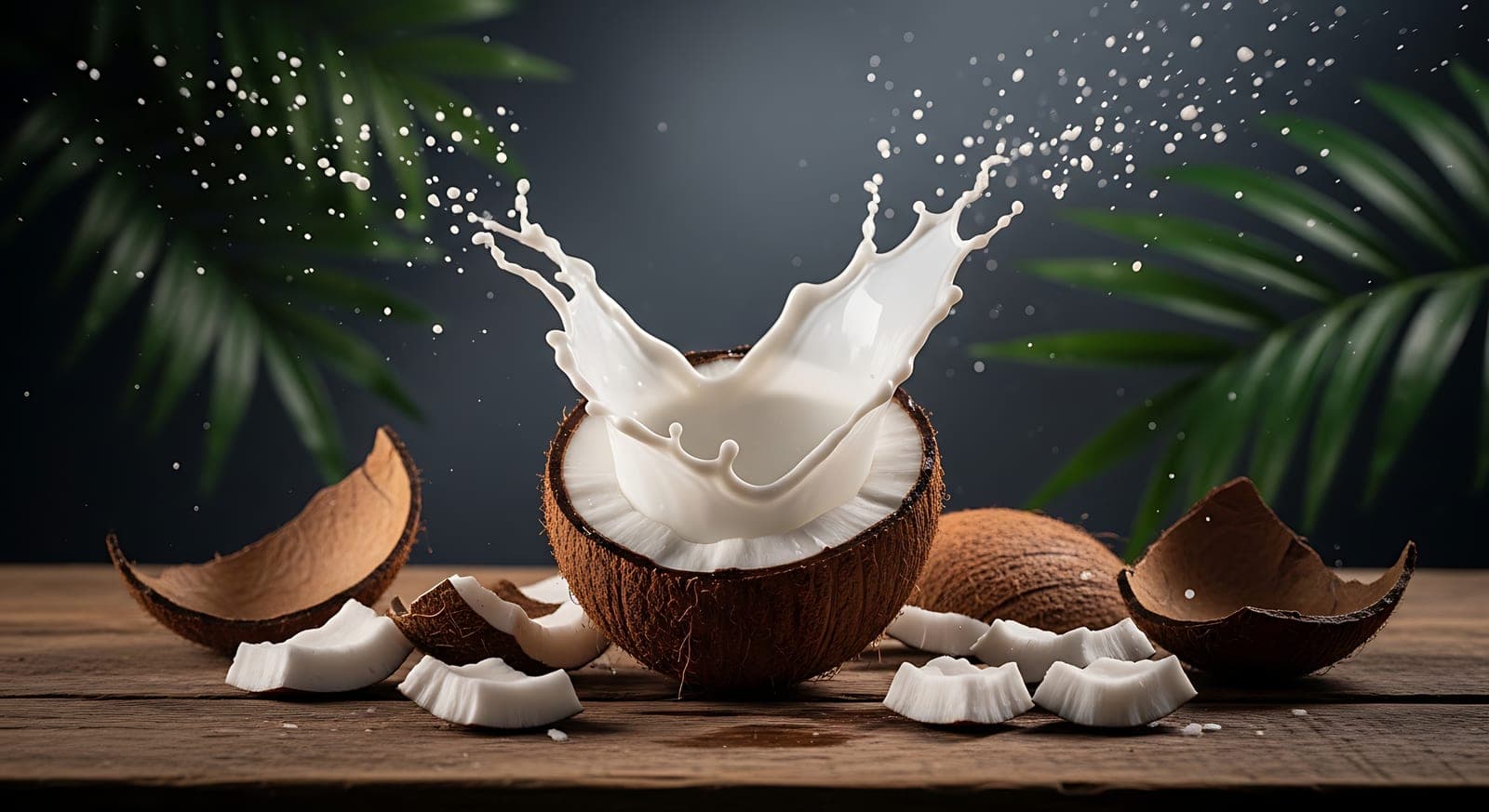
Coconut is the most versatile ingredient in the Pacific pantry. A single coconut gives you water, milk, cream, oil, and dried flesh — five distinct ingredients with different fat contents, flavors, and culinary uses. Western recipes tend to treat them as interchangeable. They're not.
Here's what each one is and when to reach for it.
Coconut water
The clear liquid inside a young, green coconut. Lightly sweet, faintly mineral, low in fat and calories. It's a hydration drink, not a cooking ingredient — the flavor is too delicate to survive heat and it contributes almost no richness to a dish.
Use it for: drinking straight from a young coconut, or as the liquid base for smoothies.
Don't substitute it for coconut milk — the fat content and flavor profile are completely different. A dish that calls for coconut milk and gets coconut water will be thin, watery, and missing the point entirely.
Coconut milk
Shredded coconut flesh pressed with water until the fat emulsifies into a thick white liquid. Full-fat coconut milk is typically 17–22% fat — rich, creamy, and deeply coconutty. This is the primary cooking coconut in Pacific and Southeast Asian cuisines.
Use it for: stews, braised fish, haupia, curries, ice cream bases, and anywhere you want coconut flavor and richness to permeate the dish through cooking.
Buying advice: Full-fat, from a can. Shake it before buying — quality full-fat coconut milk barely moves in the can because it's nearly solid when cold. Low-fat versions are watered-down and not worth the shelf space.
Coconut cream
Coconut milk with less water — typically 20–30% fat. The thick layer that rises to the top of a refrigerated can of full-fat coconut milk is coconut cream.
Use it for: whipping (chilled, it whips to soft peaks), finishing sauces to add richness without adding volume, or anywhere you want maximum coconut flavor with minimal liquid added.
Coconut oil
Cold-pressed oil from dried coconut flesh. Solid below about 76°F (24°C), liquid above. High smoke point — around 350°F unrefined, higher for refined. Subtle coconut flavor in unrefined; neutral in refined.
Use it for: high-heat roasting and searing — taro chips, roasted breadfruit, seared fish in a cast iron skillet, any recipe where you want a clean fat that can handle real heat. The refined version is the better everyday cooking fat; unrefined is better as a finishing oil or for lower-heat applications where the coconut flavor is welcome.
Coconut aminos
Technically made from coconut sap — from the flower blossom, not the fruit — but it belongs here because it's the most useful coconut-derived condiment in a Pacific kitchen. The sap is fermented and reduced into a dark, savory sauce with a flavor somewhere between soy sauce and teriyaki: umami-rich, slightly sweet, with significantly less sodium than soy.
Use it for: poke dressing, marinades, dipping sauces, shoyu chicken, anything that calls for soy sauce but where you want a lighter, soy-free alternative. Coconut Secret's version is the most widely available and the one we use in the cookbook.
Why it matters for Pacific cooking specifically: Pre-contact Polynesian cuisine had no soy. Coconut aminos — derived from a Pacific ingredient — gives you comparable umami without the heavy soy-sauce flavor that dominates most mainland "Hawaiian" restaurant dishes and drowns out the fish.
A quick reference
| | Fat | Withstands heat | Primary use | |---|---|---|---| | Coconut water | Very low | No | Drinking | | Coconut milk | High | Yes | Cooking, braising | | Coconut cream | Very high | Gently | Finishing, whipping | | Coconut oil | Pure fat | Yes (high) | Frying, roasting | | Coconut aminos | None | Yes | Seasoning, marinades |
The Pacific kitchen uses all five, but coconut milk and coconut aminos do the most work. If you're stocking a pantry for Pacific cooking, start with those two.
Coconut — in one form or another — appears in roughly a third of the recipes in The Pacific Plate. Download the cookbook here.
Some links in this post are affiliate links. We earn a small commission if you buy through them, at no cost to you. We only link to products we use ourselves.