Ingredients
Limu: The Seaweed That Seasoned the Pacific
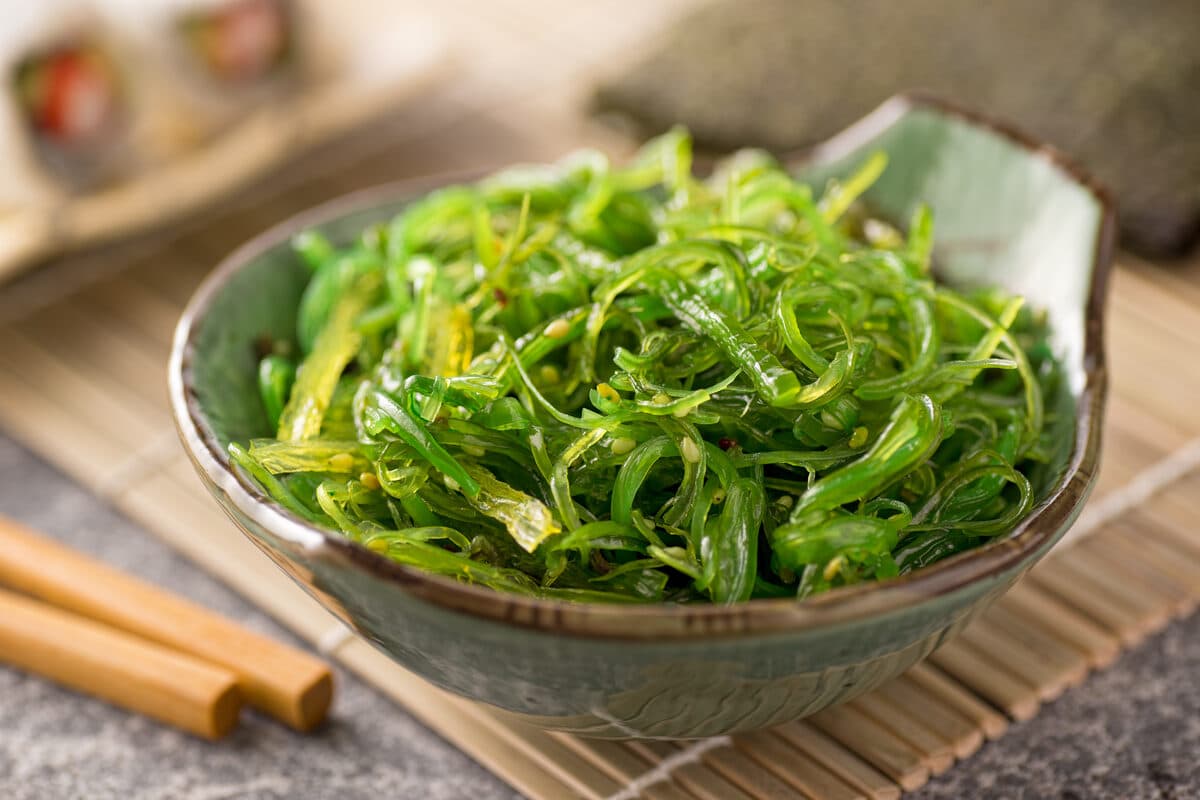
Limu is the Hawaiian collective term for edible seaweed and algae. Not one plant but many — Hawaiians identified and used more than sixty distinct species — it was the everyday seasoning of the traditional Pacific diet.
You've eaten a version of it. If you've had seaweed salad at a Japanese restaurant, you've eaten a close relative of limu ogo (Gracilaria), dressed in sesame oil and served cold. If you've had real Hawaiian poke — not the bowl-shop approximation — the slightly briny, vegetal note underneath the ahi and sesame is limu kohu (Asparagopsis taxiformis), the traditional poke seasoning.
Neither is the same as nori (the dried, pressed sheets wrapped around sushi). Limu is fresh, vivid green, and textured — the opposite of nori's papery umami.
The varieties you'll actually encounter
Limu ogo (Gracilaria) is the most widely available outside Hawaii. Fine, branching, slightly translucent strands — olive green when raw, bright green when briefly blanched. Mild briny flavor, pleasant crunch. This is what Japanese restaurants call "seaweed salad," though the seasoning differs from the Hawaiian preparation.
Limu kohu (Asparagopsis taxiformis) is the traditional Hawaiian poke seasoning — small, bushy, reddish-pink fronds with a pungent, complex ocean flavor. Used in very small amounts; it's closer to a seasoning than a vegetable. Harder to find outside Hawaii.
Limu manauea (Gracilaria coronopifolia) — a red alga with a more delicate texture, traditionally eaten raw alongside fish. Harvested from shallow reef flats.
For practical purposes outside Hawaii: ogo is what you'll find. The others require a trip to Honolulu's Chinatown or a specialty importer.
Why Pacific Islanders ate so much of it
Seaweed doesn't get the "superfood" treatment in Western nutrition culture the way salmon or blueberries do, but the nutrient density is real:
- Iodine — seaweed is the primary dietary source; critical for thyroid function, and essentially absent from inland diets that rely on grain and meat
- Minerals — calcium, magnesium, iron, and potassium in meaningful quantities, absorbed from seawater over the plant's life
- Fucoidans and other polysaccharides — complex carbohydrates specific to seaweed, associated in research with anti-inflammatory effects and gut health support
- Near-zero calories — a large serving delivers substantial nutrition at essentially no caloric cost
Traditional Hawaiian diets that included daily limu showed very low rates of thyroid dysfunction — a condition that became more common in the islands as dietary modernization reduced seaweed consumption.
How to use it today
In poke. The most natural entry point. Ogo added to cubed ahi with soy sauce, sesame oil, green onion, and a pinch of ʻAlaea Hawaiian sea salt is a classic combination. If you can source limu kohu, use a tablespoon in place of some of the salt — the flavor is significantly more complex.
As a seaweed salad. Blanch ogo in boiling water for 30 seconds, drain and rinse cold, then dress with sesame oil, rice vinegar, a small amount of soy sauce, and toasted sesame seeds. Better than most restaurant versions, with no food coloring. A Japanese mandoline slicer is useful here if you're adding thin-sliced cucumber.
In fish broth. A small amount of dried or fresh limu added to simmering fish stock deepens the umami without dominating it. Remove before serving if you want the clean broth.
Raw alongside grilled fish. Traditional Hawaiian preparation — fresh limu ogo served as a condiment. No preparation beyond rinsing. The contrast of fresh cold seaweed against warm fish is worth trying.
Where to find it
- Japanese and Asian grocery stores — fresh or frozen limu ogo is commonly stocked. Look for "ogo," "sea grapes," or "seaweed salad mix" in the refrigerated section
- Seafood markets in coastal cities, particularly those serving Hawaiian, Japanese, or Korean communities
- Hawaii-specialty online retailers — several ship fresh limu overnight; search "fresh limu ogo Hawaii"
One note: dried seaweed doesn't substitute directly for fresh limu in poke or salads. The texture and flavor profile are different enough that they're essentially different ingredients.
Limu ogo appears alongside ahi in the poke chapter of The Pacific Plate — our 30-recipe collection built around the ancestral foods of the Pacific.
Some links in this post are affiliate links. We earn a small commission if you buy through them, at no cost to you.