Ingredients
What Is Taro? The Root Vegetable at the Heart of Pacific Cooking
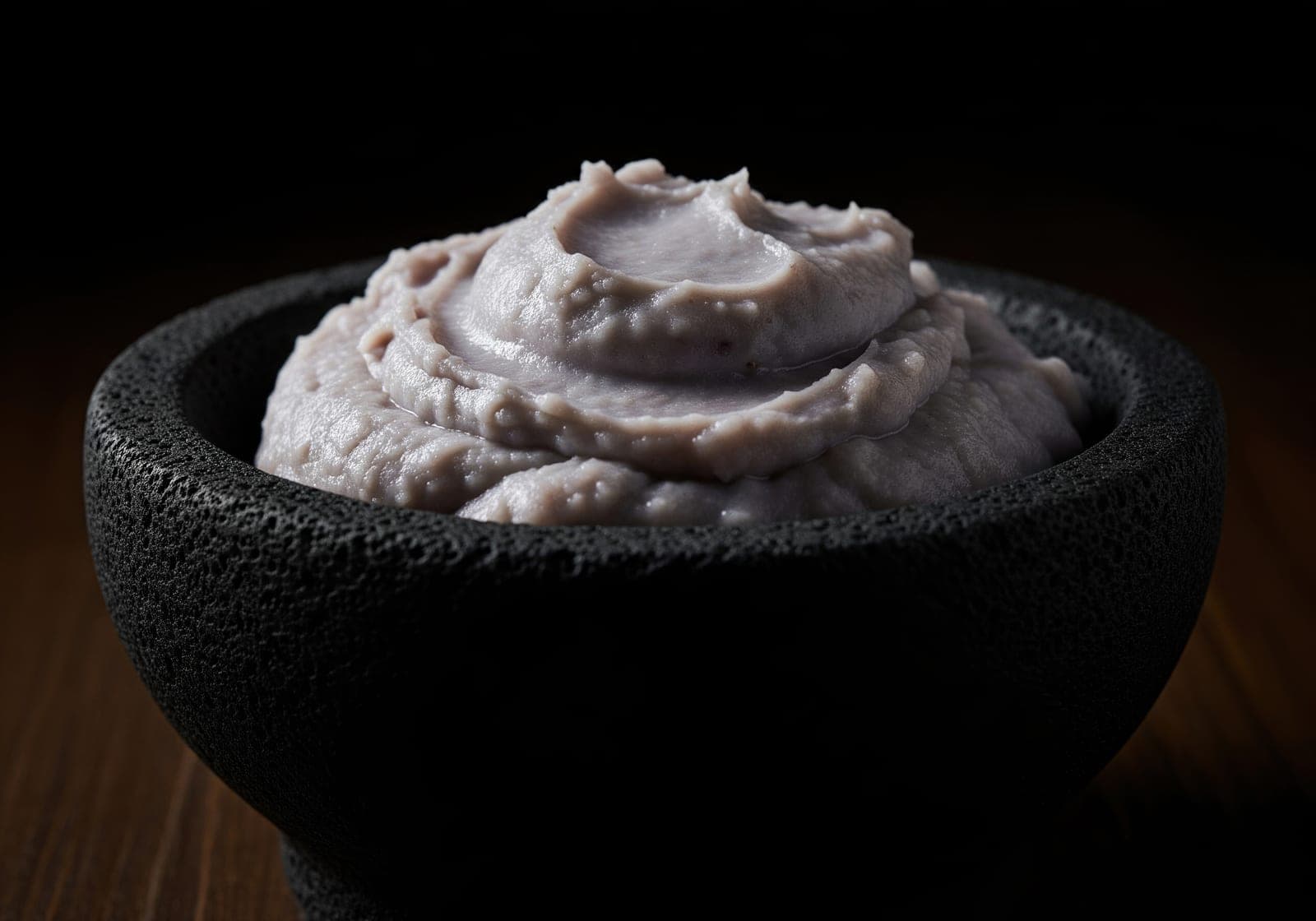
Taro (Colocasia esculenta, or kalo in Hawaiian) is a starchy root vegetable with purple-flecked white flesh, a mild earthy flavor, and a nutrient profile that would embarrass most vegetables sold in Western grocery stores. It has been cultivated in the Pacific for over three thousand years and remains the single most important food in the traditional Hawaiian diet.
If you've eaten poi, you've eaten taro. If you've had taro bubble tea, you've tasted a domesticated, often artificially-colored echo of it. The real thing is worth knowing.
What taro tastes like
Raw taro is mildly toxic — calcium oxalate crystals in the flesh cause a sharp, irritating sensation on the tongue and throat. Cooking neutralizes this completely.
Cooked taro tastes like a cross between potato and chestnut: starchy, slightly sweet, faintly nutty, with an earthiness that's gentler than either. The texture is denser than potato and holds its shape well under high heat — which is why it works beautifully roasted, fried, and in stews.
The purple flecks come from anthocyanins — the same antioxidant pigment in blueberries and red cabbage.
Why Pacific Islanders built a diet around it
Taro is calorie-dense, mineral-rich, and almost entirely hypoallergenic. Key nutritional properties:
- Low glycemic index — slower blood sugar rise than potato, rice, or bread
- High in potassium — more per serving than a banana
- Rich in resistant starch — feeds beneficial gut bacteria and improves insulin sensitivity
- Virtually allergen-free — recommended as a first solid food for infants with food allergies
When nutritional epidemiologists studied the traditional Hawaiian diet in the 1990s (before Western processed food took over), they found extremely low rates of obesity, heart disease, and type 2 diabetes in populations eating taro as a staple. Within two generations of the dietary shift to processed food, those numbers reversed.
How to cook taro
Steam it. The best introduction to taro is the simplest: peel, cube, and steam until tender (about 20–25 minutes). Finish with ʻAlaea Hawaiian sea salt — the mineral-rich red-clay salt is the traditional pairing and genuinely improves the flavor. A two-tier bamboo steamer is worth owning if you're cooking Pacific food regularly — you can steam a whole meal at once.
Roast it. Cubed taro tossed in coconut oil and roasted at 425°F until golden is one of the better vegetable side dishes we know. The outside gets crispy; the inside stays dense and almost creamy. A heavy cast iron skillet holds the heat evenly for pan-roasting. Finish with salt and serve alongside anything.
Fry it. Taro chips are common in Hawaii for good reason — they hold their crunch better than potato chips and have more flavor. Slice thin, fry in coconut oil, finish with salt.
Make poi. Cooked taro mashed with water and left to ferment for one to three days. We've written a full guide to poi here.
Where to buy taro
In the US, you can find taro at:
- Asian and Pacific grocery stores (fresh, year-round)
- Whole Foods and larger natural grocers (increasingly common, often labeled "dasheen")
- Caribbean and Latin American markets (they cook with a closely related variety called malanga)
- Online through specialty importers if you're in a remote area
Look for firm roots with no soft spots or mold. The skin is rough and brown; the flesh is white to pale purple. Smaller taro tends to have more flavor than large supermarket specimens.
A note on handling
Wear gloves when peeling raw taro — the oxalate crystals irritate the skin of some people. Once cooked, there's no issue.
Taro, breadfruit, sweet potato, fish, and coconut — these five foods are at the center of every recipe in The Pacific Plate, our 30-recipe cookbook for the modern kitchen.
Some links in this post are affiliate links. We earn a small commission if you buy through them, at no cost to you. We only link to products we use ourselves.