Recipes
Kapisi Pulu: The Tongan Corned Beef and Cabbage in Coconut Cream
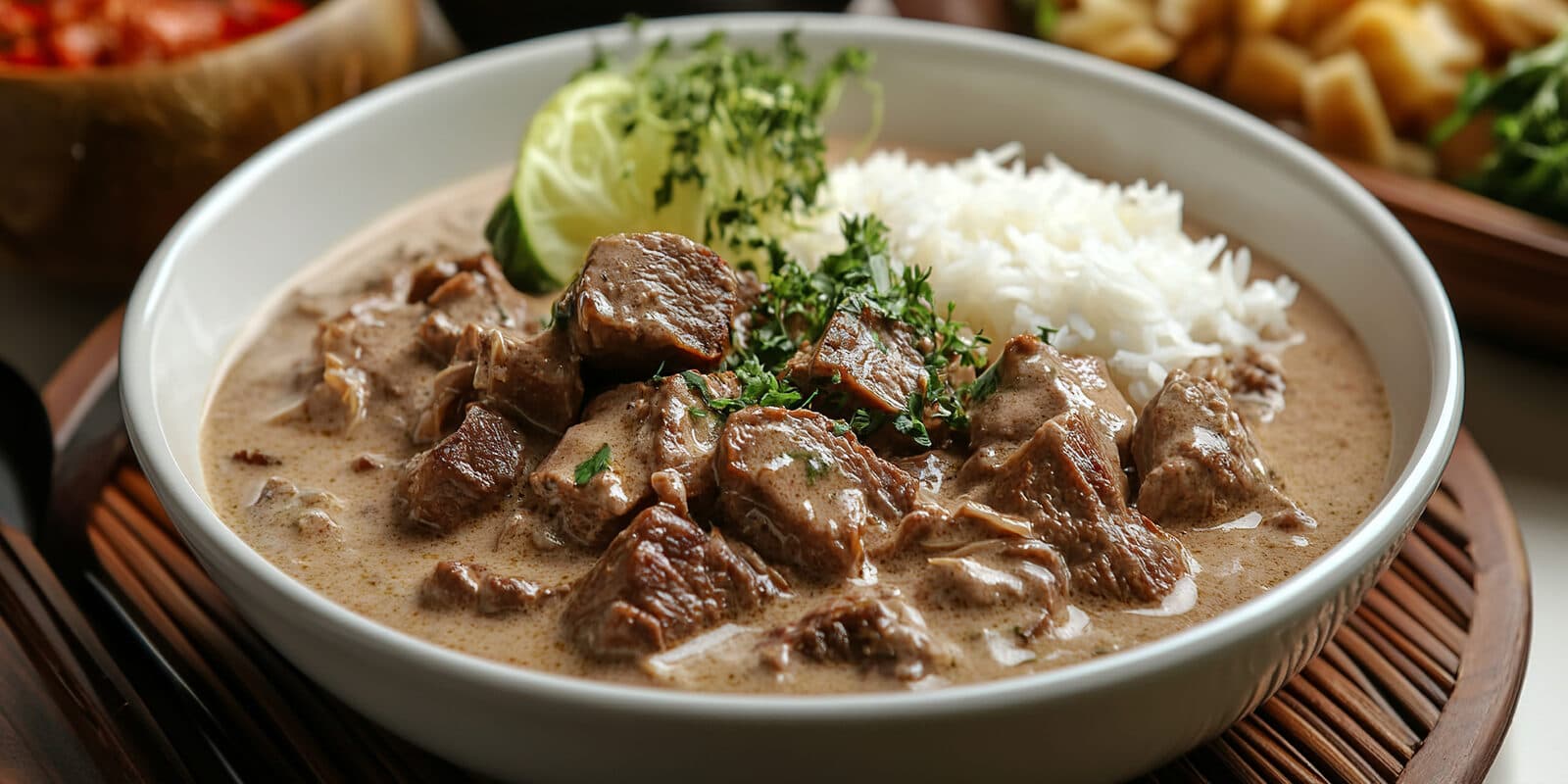
Kapisi pulu is one of the most-cooked dishes in Tonga, and one of the least known outside the Pacific. The name tells you exactly what it is: kapisi (cabbage) and pulu (corned beef), cooked down together in coconut cream until the cabbage goes silky and the whole thing turns rich and savory.
It is everyday food — the kind of dish a Tongan family might eat any night of the week, often baked in foil parcels in the oven or, traditionally, in an ʻumu (earth oven). Simple, filling, and deeply comforting.
What it tastes like
The cabbage melts into the coconut cream and almost disappears, thickening the sauce. The corned beef brings salt and savor. The coconut rounds everything into something mellow and a little sweet. It's hearty without being heavy-handed — the kind of one-pot food that tastes like more effort than it takes.
If you've had the Samoan dish palusami or Hawaiian luʻau stew, kapisi pulu lives in the same family: greens and coconut cream, slow-cooked together. The difference is the cabbage and the corned beef, which make it heartier and more everyday.
A note on "pulu"
Pulu — corned beef — arrived in the Pacific as imported canned meat and became woven into island cooking. It's worth being honest that tinned corned beef is a colonial-era introduction, not a pre-contact food, and it's high in sodium. The traditional bones of the dish, though — cabbage or taro leaves cooked in coconut cream — are genuinely ancestral.
For a cleaner version, you can swap the canned corned beef for fresh braised beef and salt it yourself, keeping the coconut-and-cabbage heart of the dish intact. We give both versions in the cookbook.
How to make it
The everyday Tongan method is forgiving:
- Soften a sliced onion in a pot. Add chopped cabbage and let it begin to wilt.
- Add the corned beef, breaking it up through the cabbage.
- Pour in a generous amount of full-fat coconut cream — enough to nearly cover.
- Simmer gently until the cabbage is soft and the sauce has thickened, 20–30 minutes. Don't let it boil hard, or the coconut cream can split.
That's it. Some cooks bake it instead — cabbage, onion, and corned beef wrapped in foil with coconut cream, baked until tender, mimicking the earth oven.
Serve it over rice, or the traditional way, alongside boiled root crops — taro, cassava, or ʻuala sweet potato.
Why coconut cream matters here
The dish lives or dies on real coconut cream. The fat is what carries the flavor and gives the sauce its body — light coconut milk will leave it thin and watery. Use full-fat canned coconut cream, or the thick top layer from a chilled can of coconut milk. (For the full breakdown of coconut products, see our coconut guide.)
Kapisi pulu won't win a nutrition award with the canned beef in it, but it's a real window into how Pacific families actually eat — coconut cream as the everyday cooking fat, greens as the everyday vegetable, stretched into something warm and filling.
Kapisi pulu — with both the traditional and a fresh-beef version — is one of the recipes in The Pacific Plate, our 30-recipe collection of Pacific home cooking.
Some links in this post are affiliate links. We earn a small commission if you buy through them, at no cost to you.